
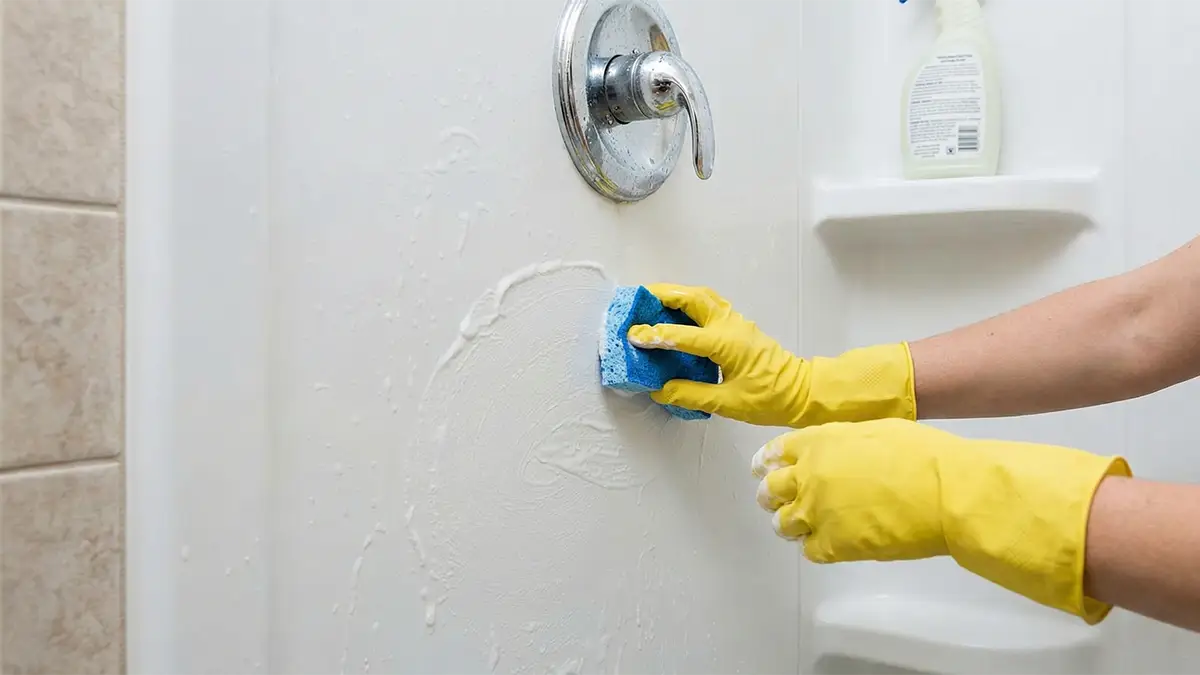
Cleaning a fiberglass shower involves using mild, non-abrasive cleaners and soft tools to protect the surface. Regular cleaning prevents soap scum and hard water buildup, maintaining its shine and extending its lifespan. Always rinse thoroughly and dry the surface after cleaning to avoid water spots.
Quick Start: Your Fiberglass Shower Cleaning Checklist
- Gather mild cleaners and soft scrubbing tools.
- Ventilate the bathroom area well.
- Pre-rinse the shower with warm water.
- Apply your chosen cleaner and let it dwell.
- Gently scrub all surfaces, focusing on problem areas.
- Rinse thoroughly to remove all cleaning solution.
- Dry the shower with a soft cloth to prevent spots.
What You’ll Need for a Sparkling Fiberglass Shower
Before you begin, gathering the right supplies ensures a smooth and effective cleaning process. Using the correct tools and cleaners is crucial to protect your fiberglass surface from damage.
- Mild dish soap or specialized fiberglass shower cleaner
- White vinegar (distilled)
- Baking soda
- Empty spray bottle
- Soft sponge, microfiber cloths, or non-abrasive brush
- Rubber gloves
- Ventilation fan or open window
- Old toothbrush (for tight corners and grout lines)
- Squeegee (optional, for drying)
How to Clean A Fiberglass Shower: Step-by-Step Method
Follow these steps carefully to achieve a sparkling clean fiberglass shower without causing damage. Patience and gentle techniques are key to maintaining the integrity of the surface.
Prepare Your Workspace and Gather Supplies
Ensure your bathroom is well-ventilated by opening a window or turning on the exhaust fan. Put on your rubber gloves to protect your hands from cleaning solutions. Lay out all your chosen cleaners and tools for easy access.
Pre-Rinse the Shower
Turn on the shower and let warm water run over all fiberglass surfaces. This helps to loosen light grime and prepare the surface for cleaning. A good pre-rinse can make the scrubbing process much easier.
Apply Your Chosen Cleaner
For general cleaning, mix equal parts white vinegar and water in a spray bottle, adding a few drops of mild dish soap. Alternatively, use a commercial fiberglass-safe shower cleaner according to its instructions. Spray the solution generously over all shower walls, the floor, and the door.
Let the Cleaner Dwell
Allow the cleaning solution to sit on the fiberglass surface for 5 to 15 minutes. This dwell time gives the cleaner an opportunity to break down soap scum, mildew, and other grime. For tougher stains, you might extend this time slightly.
Gently Scrub the Fiberglass Surface
Using a soft sponge, microfiber cloth, or non-abrasive brush, gently scrub all surfaces of the shower. Pay extra attention to areas with visible soap scum, mildew, or hard water stains. For tight corners or around fixtures, an old toothbrush can be very effective. Don’t forget to clean the grout lines as well.
Rinse Thoroughly
Once you’ve scrubbed all areas, rinse the entire shower thoroughly with clean, warm water. If you notice any unpleasant smells, your shower drain may need cleaning too. Ensure all traces of the cleaning solution are washed away. Any leftover residue can attract new dirt or leave streaks.
Dry and Buff
After rinsing, use a clean, dry microfiber cloth or a squeegee to wipe down all fiberglass surfaces. Drying prevents water spots and helps to restore the shine. This final step is crucial for a truly sparkling finish.
Tackling Tough Stains: Specific Solutions
Some stains require a targeted approach beyond general cleaning. Always test any new solution in an inconspicuous area first to ensure it doesn’t damage the fiberglass.
Soap Scum Buildup
For stubborn soap scum, create a paste of baking soda and a small amount of water. Apply this paste directly to the affected areas, let it sit for 10-15 minutes, then gently scrub with a soft brush or sponge before rinsing thoroughly. The mild abrasive action of baking soda helps lift the grime.
Hard Water Stains
White vinegar is excellent for hard water stains. Spray undiluted white vinegar onto the stains, let it sit for 30 minutes to an hour, then scrub and rinse. For very tough spots, you might need to repeat the process or use a commercial hard water stain remover specifically labeled safe for fiberglass.
Mildew and Mold Spots
A solution of hydrogen peroxide (3%) sprayed directly onto mildew and mold can be effective. Let it sit for 10-15 minutes, then scrub gently and rinse. For persistent mildew, a specialized mildew cleaner safe for fiberglass can be used, always following product instructions carefully.
Rust Stains
Rust stains on fiberglass can be tricky. A paste made from lemon juice and salt can sometimes lift light rust. Apply, let sit for a few minutes, then gently scrub. For more significant rust, look for a rust remover product that explicitly states it is safe for fiberglass surfaces.
Do’s and Don’ts for Fiberglass Shower Care
Understanding what to do and what to avoid is essential for maintaining your fiberglass shower’s appearance and longevity.
Do’s for Fiberglass Showers
- Do use mild, non-abrasive cleaners: Stick to gentle solutions like dish soap, white vinegar, or cleaners specifically designed for fiberglass.
- Do use soft cleaning tools: Opt for sponges, microfiber cloths, or soft-bristled brushes to prevent scratching the surface.
- Do ventilate your bathroom: Always ensure good airflow during and after cleaning to minimize chemical fumes and prevent mildew growth.
- Do rinse thoroughly: Completely wash away all cleaning solution to avoid residue buildup and streaks.
- Do dry the shower after use: A quick wipe-down or squeegee after each shower helps prevent water spots and soap scum.
Don’ts for Fiberglass Showers
- Don’t use abrasive cleaners: Avoid scouring powders, steel wool, or harsh scrubbing pads, as these can scratch and dull the fiberglass.
- Don’t use strong acids or alkalis: Harsh chemicals can damage the gel coat finish of fiberglass, leading to discoloration or etching.
- Don’t use bleach undiluted: While diluted bleach can be used cautiously for severe mildew, it should be spot-tested and used sparingly, as it can be harsh on fiberglass over time.
- Don’t let cleaners dry on the surface: Always keep the surface wet while cleaning to prevent cleaners from leaving marks or drying out.
- Don’t ignore small stains: Address stains as they appear to prevent them from becoming larger, more difficult problems.
Troubleshooting Common Fiberglass Shower Cleaning Issues
Even with the best intentions, you might encounter some common issues when cleaning your fiberglass shower. Here’s how to address them.
Dull or Hazy Finish
If your fiberglass shower looks dull after cleaning, it might be due to residue buildup or minor surface oxidation. Ensure you are rinsing thoroughly. For a dull finish, consider using a fiberglass polish or even a non-abrasive automotive wax. Apply a thin coat, let it dry to a haze, then buff with a clean microfiber cloth to restore shine.
Persistent Stains After Scrubbing
If a stain remains after initial scrubbing, it may require a longer dwell time for the cleaner or a more targeted solution. Reapply your specific stain remover (e.g., vinegar for hard water, baking soda paste for soap scum) and let it sit for an extended period, perhaps an hour or more, before gently scrubbing again. Sometimes, multiple applications are necessary.
Minor Scratches
Fiberglass can be susceptible to minor scratches. For very fine surface scratches, a specialized fiberglass repair kit or a fine-grit polishing compound designed for fiberglass can sometimes help. Always follow product instructions carefully and test in an inconspicuous area first. Deep scratches may require professional attention.
Maintaining Your Fiberglass Shower: Prevention Tips
The best way to keep your fiberglass shower looking great is through consistent maintenance and prevention. A little effort regularly can save you from intensive cleaning later.
Daily Wipe-Down
After each shower, take a minute to wipe down the walls and door with a squeegee or a microfiber cloth. This simple step removes most of the water and soap residue before it can dry and form stains.
Improve Ventilation
Ensure your bathroom is well-ventilated during and after showers. Use an exhaust fan or open a window to reduce humidity. This significantly helps prevent the growth of mildew and mold, which thrive in moist environments.
Regular Light Cleaning
Perform a quick clean of your shower once a week using a mild cleaner. This prevents the accumulation of soap scum and hard water stains, making deeper cleaning less frequent and less strenuous.
Consider a Shower Spray
There are daily shower sprays available that you can apply after each use. These products help to repel water and soap scum, reducing the need for scrubbing. Choose one that is safe for fiberglass surfaces. For long-term protection, you might also consider learning how to waterproof a shower.
Safety First: Protecting Yourself During Cleaning
Your safety is paramount when undertaking any cleaning task. Always take precautions to protect yourself from chemicals and potential hazards.
- Ventilation: Always ensure adequate ventilation by opening windows or using an exhaust fan to disperse fumes from cleaning products.
- Protective Gear: Wear rubber gloves to protect your hands from harsh chemicals and prolonged exposure to water. Eye protection is also recommended, especially when spraying cleaners.
- Read Labels: Always read and follow the instructions and safety warnings on all cleaning product labels.
- Avoid Mixing Chemicals: Never mix different cleaning products, especially those containing bleach and ammonia, as this can create dangerous fumes.
- Test in an Inconspicuous Area: Before applying any new cleaner to the entire shower, test it on a small, hidden spot to ensure it doesn’t cause discoloration or damage.
Frequently Asked Questions
What is the best cleaner for a fiberglass shower?
The best cleaners for fiberglass showers are mild, non-abrasive options like a solution of white vinegar and dish soap, or commercial cleaners specifically formulated for fiberglass. These products effectively remove grime without damaging the surface’s gel coat.
How often should I clean my fiberglass shower?
For optimal maintenance, a light cleaning should be performed weekly to prevent buildup. A more thorough deep clean is recommended every two to four weeks, depending on usage and the hardness of your water.
Can I use bleach to clean a fiberglass shower?
Bleach should be used with extreme caution on fiberglass. If necessary for severe mildew, dilute it significantly and spot-test first. Undiluted or frequent bleach use can potentially dull or damage the fiberglass finish over time.
How do I remove hard water stains from a fiberglass shower?
Hard water stains can be effectively removed using white vinegar. Spray undiluted vinegar onto the affected areas, let it sit for 30 minutes to an hour, then scrub gently with a soft brush and rinse thoroughly. Repeat if necessary for stubborn stains.
What should I avoid when cleaning a fiberglass shower?
Avoid using abrasive cleaners, scouring pads, steel wool, or harsh chemical products like strong acids or alkalis. These can scratch the surface, dull the finish, or even etch the fiberglass, leading to irreversible damage.
Is it possible to restore a dull fiberglass shower?
Yes, it is often possible to restore a dull fiberglass shower. After a thorough cleaning, you can use a fiberglass polish or a non-abrasive automotive wax. Apply a thin layer, let it dry, and then buff it to a shine with a clean microfiber cloth.
Conclusion
Maintaining a clean fiberglass shower is straightforward with the right approach and consistent care. By using mild cleaners, soft tools, and following a regular cleaning schedule, you can effectively tackle soap scum, hard water, and mildew. Remember to prioritize safety and address stains promptly to keep your shower looking its best. With these tips, your fiberglass shower will remain a sparkling and inviting part of your bathroom for years to come.
