
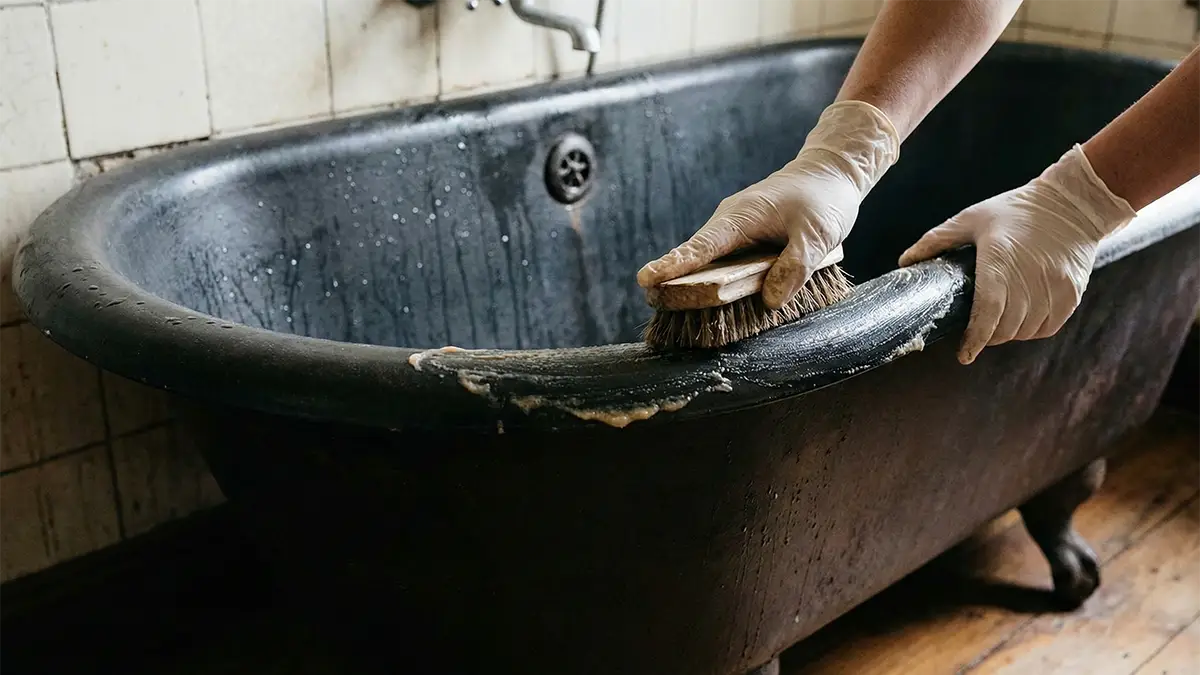
To clean a cast iron tub, begin by rinsing away loose dirt and debris. Use a gentle, non-abrasive cleaner like dish soap or a baking soda paste applied with a soft cloth or sponge to protect the enamel. For more persistent stains, a diluted white vinegar solution or a specialized cast iron cleaner can be used, always followed by thorough rinsing and drying to prevent water spots and maintain its luster.
- Always use non-abrasive cleaners and tools.
- Baking soda and mild dish soap are excellent for routine cleaning.
- Diluted vinegar can tackle hard water and soap scum.
- Rinse thoroughly and dry the tub after each cleaning.
- Preventative measures are key to long-term shine.
Why Proper Care for Your Cast Iron Tub Matters
Cast iron tubs are renowned for their durability, heat retention, and classic aesthetic. However, their enamel coating, while tough, can be susceptible to damage from harsh chemicals and abrasive scrubbing. Proper cleaning and maintenance are crucial to preserve the tub’s glossy finish, prevent rust, and extend its lifespan, ensuring it remains a beautiful centerpiece in your bathroom for decades.
Neglecting regular cleaning can lead to the buildup of soap scum, hard water stains, and even rust, which can dull the enamel and make future cleaning more challenging. Understanding the right techniques and products is essential for keeping your cast iron tub looking its best without causing irreversible damage.
Supplies Checklist for a Sparkling Tub
Before you begin cleaning your cast iron tub, gather the necessary supplies. Using the right tools and cleaning agents will ensure an effective and safe cleaning process, protecting the tub’s delicate enamel surface.
- Soft cloths or sponges: Microfiber cloths or non-abrasive sponges are ideal for applying cleaners and scrubbing.
- Rubber gloves: Protect your hands from cleaning solutions.
- Mild dish soap: Excellent for general cleaning and cutting through grease.
- Baking soda: A gentle abrasive for light scrubbing and deodorizing.
- White vinegar: Effective for hard water stains and soap scum when diluted.
- Spray bottle: Useful for applying diluted vinegar or other liquid cleaners.
- Soft-bristled brush (optional): For grout lines or very light scrubbing on tough spots, but use with extreme caution on the enamel.
- Specialized cast iron tub cleaner (optional): If recommended by the manufacturer or for very tough stains.
- Clean towels: For drying the tub thoroughly after rinsing.
How to Clean A Cast Iron Tub: Step-by-Step Method
Cleaning your cast iron tub doesn’t have to be a daunting task. By following these steps, you can effectively remove dirt and grime while preserving its beautiful finish. Always remember to work gently and avoid harsh chemicals or abrasive tools.
Step 1: Prepare the Tub
Start by removing any loose debris, hair, or items from the tub. Give the tub a quick rinse with warm water to wet the surface and loosen any superficial dirt. This initial rinse helps prepare the surface for cleaning and makes the subsequent steps more effective.
Step 2: Apply a Mild Cleaner
For routine cleaning, a simple solution of warm water and a few drops of mild dish soap works wonders. Apply this solution to the entire surface of the tub using a soft cloth or sponge. Alternatively, you can create a paste using baking soda and a small amount of water. Apply the paste to the tub, focusing on areas with light grime.
Step 3: Gentle Scrubbing
Using your soft cloth or sponge, gently scrub the tub’s surface in small, circular motions. Avoid applying excessive pressure, especially on the enamel. The goal is to lift dirt and soap scum without scratching the finish. For areas with a bit more buildup, allow the cleaner to sit for 5-10 minutes before scrubbing.
Step 4: Rinse Thoroughly
Once you’ve scrubbed the entire tub, rinse it thoroughly with clean, warm water. Ensure all traces of the cleaning solution or baking soda paste are completely washed away. Residue left behind can attract more dirt or lead to dull spots.
Step 5: Dry the Tub
After rinsing, immediately dry the tub with a clean, soft towel. This crucial step prevents water spots and mineral deposits from forming, which can be particularly noticeable on a glossy enamel surface. Drying also helps maintain the tub’s shine and prevents mildew growth.
Tackling Stubborn Stains on Cast Iron
Sometimes, routine cleaning isn’t enough for those tougher stains. For a comprehensive approach, check out our guide on how to clean tough stains from a bathtub. Here’s how to address common stubborn issues without harming your cast iron tub.
Hard Water Stains and Soap Scum
For hard water stains and soap scum, white vinegar is an excellent natural solution. Mix equal parts white vinegar and water in a spray bottle. Spray the solution onto the affected areas and let it sit for 15-30 minutes. The acidity of the vinegar helps break down mineral deposits. After soaking, gently scrub with a soft sponge and rinse thoroughly, then dry.
Rust Stains
Rust stains can be particularly concerning on cast iron. For light rust, a paste made from baking soda and lemon juice can be effective. Apply the paste, let it sit for an hour, then gently scrub and rinse. For more stubborn rust, a specialized rust remover formulated for enamel surfaces may be necessary. For similar enamel care techniques, see our guide on how to clean a porcelain tub. Always test such products in an inconspicuous area first and follow the manufacturer’s instructions carefully.
Scuff Marks and Minor Discoloration
Minor scuff marks or general discoloration can often be buffed out with a baking soda paste. Apply the paste to the mark and gently rub with a soft cloth. The mild abrasive nature of baking soda can help lift superficial marks without scratching the enamel. Rinse and dry the area completely.
Common Cleaning Mistakes to Avoid
To ensure your cast iron tub remains pristine, it’s just as important to know what not to do as what to do. Avoiding these common mistakes will protect your tub’s finish and longevity.
- Using abrasive cleaners or tools: Steel wool, scouring pads, and harsh powdered cleansers can scratch and dull the enamel surface, making it more prone to staining and rust.
- Applying bleach directly: While bleach can whiten, it can also degrade the enamel over time, leading to pitting and discoloration. It’s generally best to avoid it or use it very sparingly and highly diluted, followed by immediate rinsing.
- Leaving standing water: Allowing water to sit in the tub for extended periods can lead to hard water stains and encourage rust, especially if the enamel has any minor chips or imperfections.
- Using strong acid-based cleaners: Cleaners designed for toilet bowls or heavy-duty rust removers often contain strong acids that can severely damage the enamel of a cast iron tub.
- Ignoring small chips or cracks: Even tiny chips in the enamel can expose the cast iron beneath, making it vulnerable to rust. Address these promptly with an enamel repair kit.
Maintaining Your Tub’s Luster: Prevention Tips
Prevention is the best approach to keeping your cast iron tub looking new. Simple habits can significantly reduce the need for deep cleaning and protect the enamel.
- Rinse after each use: A quick rinse with warm water after every bath or shower helps wash away soap residue and prevent buildup.
- Wipe down regularly: Use a soft cloth to wipe down the tub after each use to remove water droplets and prevent hard water spots.
- Use bath mats: Place a non-abrasive bath mat in the tub to prevent scratches from dropped items or foot traffic. Ensure the mat is removed and dried after each use to prevent moisture trapping.
- Avoid harsh products: Be mindful of bath products like hair dyes, strong bath oils, or abrasive bath bombs that could potentially stain or damage the enamel.
- Address leaks promptly: Fix any dripping faucets immediately to prevent continuous water exposure and potential rust stains. Also, keep your drain clean — learn how to remove a tub drain stopper for thorough cleaning.
- Clean regularly: Stick to a routine cleaning schedule using mild cleaners to prevent grime from accumulating and becoming harder to remove.
When to Consider Professional Assistance
While most cast iron tub cleaning and minor stain removal can be handled with DIY methods, there are situations where professional help is advisable. If your tub has extensive damage, such as large chips, deep cracks, or widespread rust that has penetrated the enamel, a professional refinisher or resurfacer might be needed. You may also find our guide on cleaning an enamel bathtub helpful for regular maintenance. They can restore the tub’s surface, making it look new again and preventing further deterioration. Attempting extensive repairs without proper expertise can sometimes worsen the problem.
Frequently Asked Questions About Cast Iron Tub Care
What is the best way to clean a cast iron tub without damaging its enamel?
The best way involves using mild, non-abrasive cleaners like dish soap or baking soda paste applied with a soft cloth or sponge. Always avoid harsh chemicals, abrasive scrubbers, and excessive force to protect the delicate enamel surface from scratches and dulling.
Can I use bleach to clean my cast iron tub?
It is generally recommended to avoid bleach on cast iron tubs. While it can whiten, bleach can degrade the enamel over time, leading to pitting, discoloration, and making the surface more susceptible to future stains. If absolutely necessary, use a very diluted solution and rinse immediately and thoroughly.
How often should I clean my cast iron tub?
For optimal maintenance, a quick rinse and wipe-down after each use is ideal. A more thorough cleaning with mild soap or baking soda should be performed weekly or bi-weekly, depending on usage, to prevent soap scum and hard water buildup.
What removes rust stains from a cast iron tub?
For light rust, a paste of baking soda and lemon juice can be effective. Apply, let sit, then gently scrub and rinse. For more stubborn rust, consider a specialized rust remover specifically formulated for enamel surfaces, always testing in an inconspicuous area first.
Are there any natural cleaners safe for cast iron tubs?
Yes, several natural cleaners are safe and effective. Mild dish soap, baking soda (as a paste or sprinkle), and diluted white vinegar are excellent choices for routine cleaning and tackling common stains like soap scum and hard water deposits.
How do I prevent stains on my cast iron tub?
Prevent stains by rinsing the tub after each use, wiping it dry to prevent water spots, and addressing any drips or leaks promptly. Using a non-abrasive bath mat and avoiding harsh bath products can also help maintain the tub’s pristine condition.
Conclusion
Maintaining a clean and sparkling cast iron tub is achievable with the right approach and consistent care. By opting for mild, non-abrasive cleaners and gentle techniques, you can effectively remove grime and stains while preserving the tub’s beautiful enamel finish. Regular cleaning and preventative measures are key to ensuring your cast iron tub remains a timeless and elegant fixture in your bathroom for years to come. Embrace these simple steps to keep your tub looking its absolute best. Don’t forget to also address any bathroom mold promptly and learn how to remove your tub drain stopper for thorough drain cleaning to ensure a hygienic bathroom environment.
Related Posts
- How to Clean An Enamel Bathtub: The Ultimate Guide to a Sparkling Finish
- How to Clean A Porcelain Tub: The Ultimate Guide for a Sparkling Finish
- How to Clean Tough Stains From A Bathtub: Your Ultimate Guide
- How to Remove A Tub Drain Stopper: A Complete Step-by-Step Guide
- How to Remove Bathroom Mold Effectively: A Complete Guide
